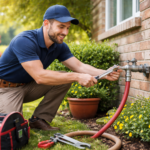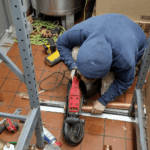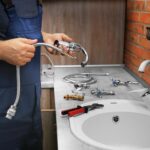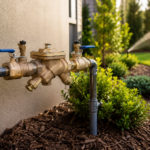
Raleigh homeowners are no strangers to unpredictable weather. But 2026 has pushed the limits in ways that even long-time residents haven’t seen before — and the city’s plumbing infrastructure is feeling every bit of it. From sudden deep freezes in January to record-breaking rainfall in spring, local plumbers are fielding more urgent calls than at any point in recent memory. If you’ve been wondering why your neighbors are frantically searching for an emergency plumber in Raleigh, NC, the answer lies squarely in the changing climate patterns reshaping the region.
Raleigh’s Weather in 2026: A New Kind of Normal
This year brought what meteorologists are calling an “extreme weather whipsaw” — sharp oscillations between unseasonably cold snaps and warm, wet periods. In January alone, Raleigh recorded multiple freeze-thaw cycles within the same week. By March, the city was dealing with above-average rainfall and saturated ground that pushed water into places it had no business being.
For homeowners, this isn’t just an inconvenience. These rapid weather shifts place enormous stress on residential plumbing systems that were simply not designed to handle such dramatic swings. Pipes expand, contract, crack, and burst. Sewer lines back up under hydrostatic pressure. Water heaters work overtime and fail. The result? A sharp, sustained surge in emergency calls to plumbers in Raleigh, NC.
The Freeze-Thaw Cycle: Enemy Number One for Pipes
The most destructive weather pattern this winter has been the repeated freeze-thaw cycle. When temperatures dip below freezing overnight and climb back above it by noon, pipes in exterior walls, crawl spaces, and uninsulated garages go through repeated stress.
Water expands as it freezes — about 9% in volume. Even a small crack in a pipe can become a full rupture when this expansion happens repeatedly. Copper pipes, older galvanized lines, and even some PVC fittings are all vulnerable. The real danger, though, isn’t just the freeze itself. It’s the thaw. When ice melts inside a pipe that’s already cracked, homeowners often return home to find ceilings soaked, walls warped, or floors saturated.
Experienced plumbers in Raleigh, NC have been responding to these burst-pipe emergencies at an accelerated pace since the new year. The calls typically come mid-morning, once indoor temperatures warm enough to reveal what the overnight freeze quietly damaged.
Record Rainfall and the Sewer Backup Problem
Beyond the cold, 2026 has been exceptionally wet. Raleigh saw more than 180% of its average rainfall through the first quarter of the year. That kind of saturation has two major consequences for plumbing.
First, soil movement. Saturated ground shifts, and so do the sewer lines buried within it. Joints separate. Tree roots — which love moisture — accelerate their intrusion into clay and older PVC drain pipes. Homeowners begin noticing slow drains, gurgling toilets, or raw sewage backing up into the lowest drains in their home.
Second, storm sewer overload. When municipal stormwater systems get overwhelmed, the pressure can actually reverse flow in private sewer laterals. This pushes sewage and groundwater back into basements and lower-level bathrooms. It’s unsanitary, it’s damaging, and it requires an emergency plumber in Raleigh, NC on-site the same day to protect both property and health.
Water Heater Failures Spike in Cold Snaps
There’s a less obvious casualty of cold weather extremes: the water heater. When ambient temperatures in garages and utility rooms plunge, tank-style water heaters work significantly harder to maintain their set temperature. Sediment buildup — common in Raleigh’s moderately hard water — accelerates wear on heating elements during these peak demand periods.
2026 has brought a notable uptick in water heater failures across the Triangle area. Units that were already aging past their 10-to-12-year lifespan simply couldn’t hold up under the added strain. Cold morning showers have become an unexpected reality for many households, prompting same-day calls to local plumbing companies.
Why Older Raleigh Homes Are Most at Risk
Raleigh’s housing stock includes a large number of homes built in the 1970s, 80s, and 90s — many of which still have their original plumbing. These properties often feature galvanized steel pipes prone to corrosion, shallow crawl spaces with inadequate insulation, and undersized water lines that struggle to deliver adequate pressure during high-demand periods.
As weather extremes become more frequent, the vulnerability of these older systems becomes a more urgent issue. Homeowners who have ignored minor warning signs — a slow drain here, a small water stain there — are finding themselves facing full-scale emergencies when the weather puts those systems under serious stress.
What Raleigh Homeowners Can Do Right Now
Proactive plumbing maintenance has never mattered more. Here are the steps professionals consistently recommend for Triangle-area homes:
Insulate exposed pipes. Foam pipe insulation is inexpensive and takes an afternoon to install. It can be the difference between a minor inconvenience and a $10,000 flood remediation job.
Know where your main shut-off valve is. In a burst pipe emergency, seconds count. Every adult in the household should know exactly where to find and how to turn off the main water supply.
Schedule a camera inspection of your sewer line. With root intrusion and soil movement accelerating, a $150–$250 camera inspection can catch a developing problem before it becomes a $4,000 emergency excavation.
Have your water heater inspected before winter. A plumber can flush sediment, test the anode rod, and assess whether your unit has the life expectancy to handle another demanding season.
Choosing a Trusted Local Plumber Before You Need One
One of the most common mistakes homeowners make is searching for emergency help at the moment everything goes wrong. In a crisis, you lose negotiating power, you may not have time to vet credentials, and response times stretch if local plumbers are swamped.
A far smarter move is to establish a relationship with a reputable local company before an emergency strikes. Arbor Plumbing is a trusted name among plumbers in Raleigh, NC, known for honest assessments, licensed technicians, and genuine responsiveness when homeowners need help fast. Having their number saved means you’re not panicking through search results at 2 a.m. with water rising on your basement floor.
The Bigger Picture: Prepare, Don’t React
Raleigh’s 2026 weather pattern isn’t an anomaly likely to correct itself next year. Climate scientists have been consistent in their projections for the Southeast: greater temperature variability, more intense precipitation events, and more frequent freeze-thaw cycles are all part of the new baseline.
That means the surge in calls to emergency plumbers in Raleigh, NC isn’t a one-year story — it’s a signal that homeowners need to shift from reactive to proactive thinking. Plumbing systems that served adequately under old weather patterns may simply be inadequate for the conditions ahead.
Audit your home. Invest in preventive maintenance. Build a relationship with qualified plumbers in Raleigh, NC who know the local housing stock, the soil conditions, and the infrastructure challenges that come with living in the Triangle. The cost of prevention is a fraction of the cost of an emergency — and in 2026, the emergencies are very real.