#1 Plumbing In Triangle Area
Backflow Testing Company Chapel Hill
Backflow Testing in Chapel Hill, NC – Protect Your Water with Arbor Plumbing



 4.9




Backflow Testing Services Chapel Hill
Clean and safe water depends on more than the quality of your water supply. It also depends on preventing contaminated water from flowing backward into the potable water system. When backflow occurs, water from irrigation systems, commercial equipment, pools, fire protection systems, or other connected sources can potentially enter the clean water supply.
That is why regular backflow testing services Chapel Hill are an important part of protecting residential and commercial plumbing systems. Professional testing helps determine whether a backflow prevention assembly is operating correctly and whether it continues to provide the protection it was designed to deliver.
Arbor Plumbing & NC Backflow provides professional plumbing and backflow services for customers in Chapel Hill and surrounding areas. Our approach focuses on accurate testing, clear communication, and dependable service so property owners can address backflow requirements without unnecessary complications.


What Is Backflow and Why Does It Matter?
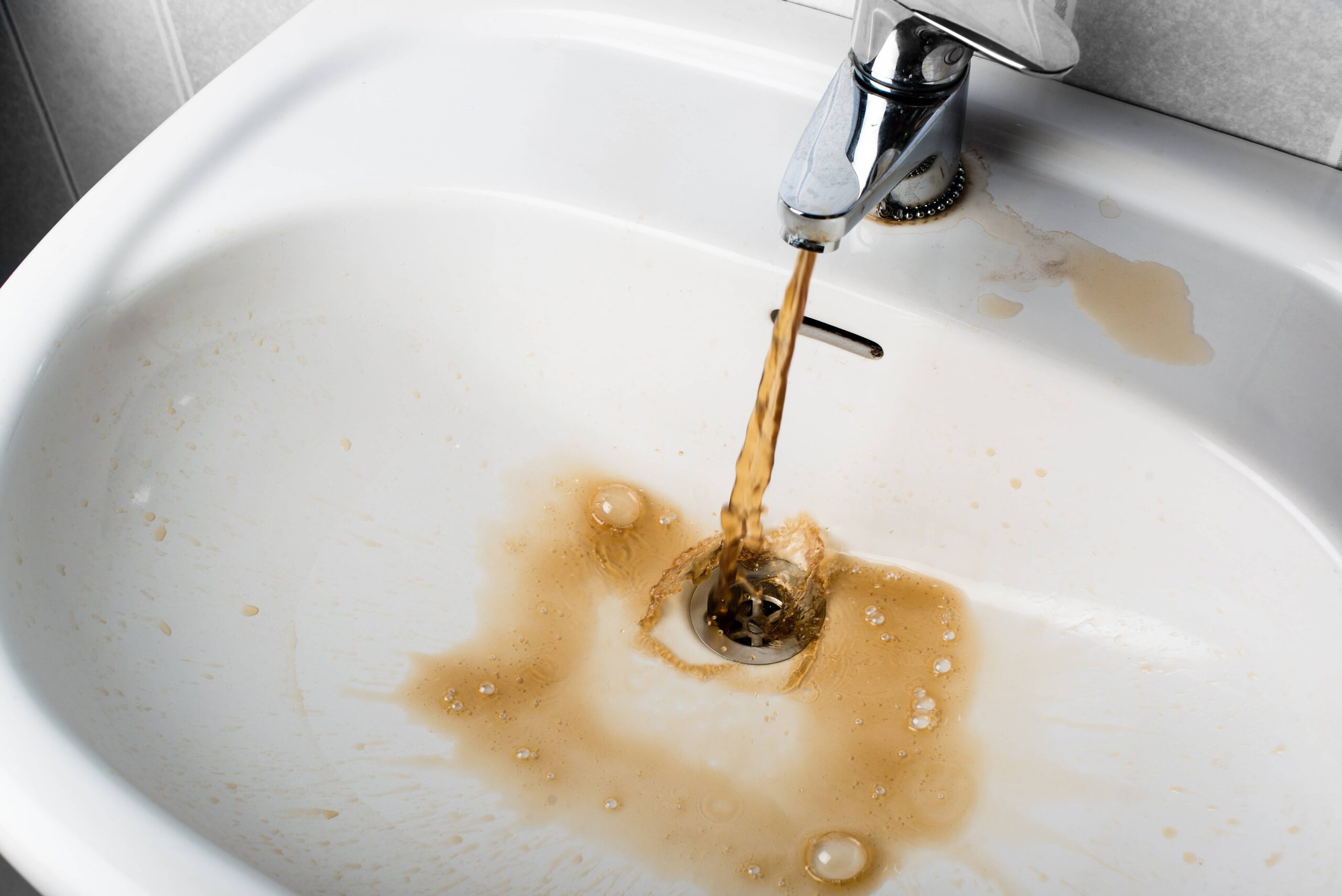
Backflow is the unwanted reversal of normal water flow. Instead of water moving from the public or private supply toward a property, contaminated or non-potable water can move in the opposite direction.
Two common conditions can cause this problem: backpressure and backsiphonage. Backpressure can occur when pressure in a connected system becomes greater than the pressure in the potable water supply. Backsiphonage can happen when there is a sudden reduction in supply pressure, creating a suction effect that pulls water backward.
The risk depends on what is connected to the plumbing system. Irrigation lines, chemical equipment, boilers, swimming pools, fire protection systems, and certain commercial applications may create potential cross-connection concerns.
A properly installed and maintained backflow prevention assembly helps stop this reverse flow. However, simply having an assembly installed does not mean it will always perform correctly. Mechanical components can wear, become damaged, or fail over time. Regular testing provides an important way to verify performance.
Professional Backflow Testing in Chapel Hill
Backflow testing involves checking the operation of the appropriate backflow prevention device using professional testing equipment. The technician evaluates the assembly according to applicable testing procedures and records the results.
During a typical service, the process may include:
- Identifying the backflow prevention assembly and its application
- Inspecting the assembly for visible problems
- Checking valves and related components
- Performing the required pressure or operational tests
- Recording test results
- Identifying conditions that may require repair or further service
- Explaining the results to the property owner or responsible party
The exact testing process depends on the type of assembly installed and the property’s plumbing configuration.
The goal is not simply to complete a test form. It is to determine whether the backflow prevention equipment is functioning as intended and to identify problems before they become a larger water-safety concern.
Who May Need Backflow Testing?
Backflow protection can be relevant to many different properties and plumbing applications. Residential properties may require testing when they have irrigation systems or other cross-connections that create a potential contamination risk.
Commercial and industrial properties can have more complex plumbing arrangements. Restaurants, offices, apartment buildings, medical facilities, manufacturing locations, landscaping systems, and other businesses may have equipment that requires backflow protection.
Some common applications include:
Irrigation Systems
Automatic irrigation systems can create a connection between potable water and outdoor water lines. A properly maintained backflow prevention device helps prevent potentially contaminated irrigation water from returning to the drinking-water supply.
Commercial Plumbing Systems
Businesses may have multiple water connections, specialized equipment, or plumbing configurations that increase the importance of cross-connection protection. Regular testing can help confirm that the appropriate protection remains functional.
Fire Protection Systems
Certain fire protection installations can require backflow prevention because of their connection to the potable water system. Testing helps verify that the installed assembly continues to operate properly.
Other Specialized Connections
Pools, boilers, chemical systems, process equipment, and other applications can present different backflow risks. The correct protection depends on the system, potential hazard, and applicable requirements.
Why Routine Testing Is Important
A backflow prevention assembly contains mechanical components that can deteriorate over time. Internal parts may become worn, valves may not seal correctly, or other issues may affect the assembly’s ability to protect the water supply.
Routine testing provides an opportunity to discover these problems.
Testing can also help property owners stay organized with their required maintenance and documentation. Instead of waiting until a problem is discovered during an inspection or after an assembly fails, scheduled testing gives you a proactive way to monitor the condition of the equipment.
For commercial property owners and facility managers, maintaining accurate testing records can be especially important. Keeping service documentation organized can make it easier to demonstrate that required testing has been completed and to identify when the next service is due.
Signs Your Backflow Assembly May Need Attention
Backflow prevention equipment should not be ignored simply because it is out of sight. If you notice unusual conditions around an assembly, professional evaluation may be appropriate.
Potential warning signs include:
- Visible leaks around the backflow device
- Corrosion or damaged components
- Unusual pressure changes
- Water discharge from the assembly
- A failed or overdue test
- Changes to the connected plumbing system
- Installation of new irrigation or specialized equipment
A failed test does not necessarily mean the entire assembly needs to be replaced. In some situations, the issue may involve a serviceable component or another correctable problem. A qualified technician can evaluate the equipment and explain the appropriate next step.
Backflow Testing Services Chapel Hill for Residential and Commercial Properties
Every plumbing system has different requirements. A residential irrigation connection is not the same as a large commercial or industrial water system. That is why professional evaluation should consider the actual application rather than treating every backflow assembly the same way.
With backflow testing services Chapel Hill, property owners can have their backflow prevention equipment professionally evaluated and receive straightforward information about its condition.
For businesses, testing can also become part of a broader plumbing maintenance program. Combining scheduled backflow testing with routine plumbing inspections can make it easier to identify leaks, damaged valves, aging components, and other issues before they interfere with normal operations.
Why Choose Arbor Plumbing & NC Backflow?
Choosing the right service provider matters when your work involves drinking-water protection and backflow prevention.
Arbor Plumbing & NC Backflow focuses on professional plumbing services and backflow testing. Our team works with residential, commercial, and other property types and aims to make the service process clear from the beginning.
When you schedule service, you should know what is being tested, what the results mean, and whether any additional work is recommended. We believe property owners should receive practical information rather than confusing technical explanations.
Our service approach includes:
- Professional backflow testing
- Clear communication about test results
- Attention to the condition of the assembly
- Service for residential and commercial applications
- Straightforward recommendations when repairs are needed
- Focus on dependable plumbing and backflow solutions
What Happens If a Backflow Test Fails?
A failed test means the assembly did not meet the required performance criteria during testing. It does not automatically mean the complete plumbing system is unsafe or that the entire device must be replaced.
The next step is to identify why the assembly failed. Components may require adjustment, cleaning, repair, or replacement depending on the condition of the equipment.
Once the necessary work is completed, another test may be required to confirm that the assembly is operating correctly. Property owners should keep documentation of the testing and any associated repairs for their records.
Schedule Backflow Testing in Chapel Hill
Backflow prevention is an important part of responsible plumbing maintenance. Whether you manage a commercial property, operate a business, maintain an irrigation system, or own a home with specialized plumbing connections, regular testing can help confirm that your backflow protection is performing as intended.
Don’t wait for a failed inspection or an unexpected plumbing issue to find out that your backflow assembly needs attention. Professional testing gives you a clearer understanding of the condition of the equipment and helps you stay proactive about water-system protection.
If you are looking for reliable backflow testing services Chapel Hill, contact Arbor Plumbing & NC Backflow to discuss your testing requirements and schedule professional service.
Protect Your Water Supply With Professional Testing
Backflow prevention is about protecting the quality of the water entering your property and the wider water system. Regular testing can identify problems with protective assemblies, provide useful maintenance documentation, and help property owners address issues before they become more complicated.
For dependable backflow testing services Chapel Hill, Arbor Plumbing & NC Backflow can help you understand your testing needs and determine the next step for your property. Contact the team today to schedule professional backflow testing and keep your plumbing system properly protected.
Frequently Asked Questions
How often should a backflow prevention assembly be tested?
Testing frequency can depend on the type of assembly, its application, local requirements, and the water-system authority involved. Property owners should follow the applicable testing schedule for their specific installation.
What happens during a backflow test?
A qualified tester examines the backflow prevention assembly and uses appropriate testing equipment to evaluate its operation. The results are documented, and any issues that require attention can be explained to the property owner.
Do residential properties need backflow testing?
Some residential properties may require backflow protection and testing, particularly when they have irrigation systems or other connections that create a potential cross-connection. Requirements depend on the specific property and applicable local rules.
What if my backflow device fails the test?
A failed test indicates that the assembly did not meet the required testing criteria. The device should be evaluated to determine whether repair, component replacement, or other corrective work is necessary. A follow-up test may be required after repairs.
Can a backflow assembly be repaired instead of replaced?
In some cases, yes. Whether repair is practical depends on the assembly’s type, condition, age, available replacement components, and the nature of the problem. A professional evaluation can determine the most appropriate option.
Why should I hire a professional for backflow testing?
Backflow testing requires appropriate testing equipment, knowledge of the assembly, and an understanding of the applicable testing procedure. Professional service helps ensure that the equipment is evaluated correctly and that test results are properly documented.