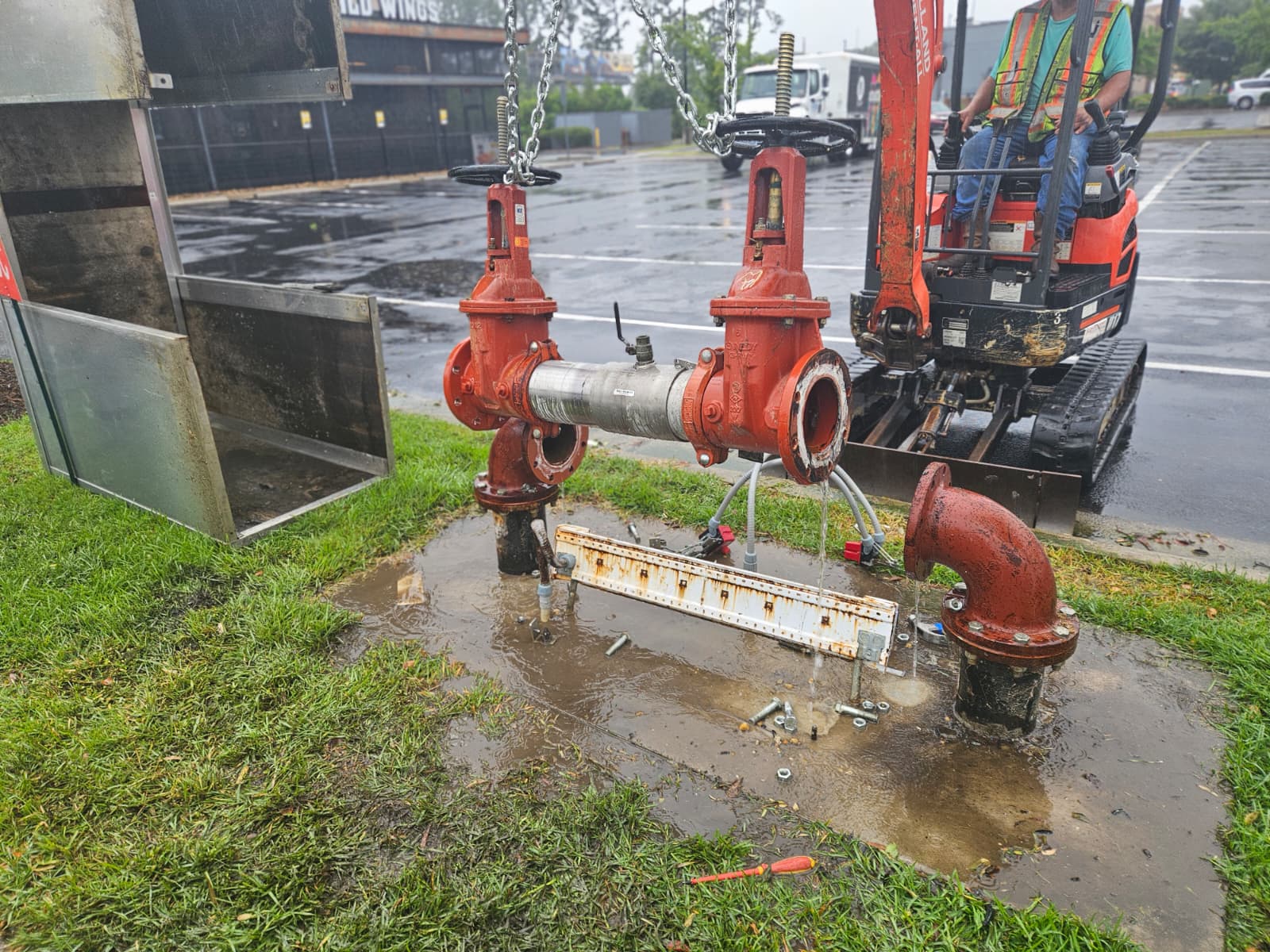
Clean water should flow one way: toward the people, fixtures, and systems that need it. When water reverses direction, it can carry unwanted substances back into the potable water supply. That is where backflow prevention and regular testing become important.
For property owners searching for backflow testing in Wendell, NC, or Wendell backflow testing, understanding how the process works can help you protect your water system and stay on top of applicable requirements.
Arbor Plumbing & NC Backflow provides backflow testing services in Wendell and surrounding North Carolina communities, with services covering testing, inspection, repair, replacement, and reporting.
What Is Backflow?
Backflow occurs when water moves in the opposite direction from its intended flow. Under certain pressure conditions, water from a connected system can move toward the public or potable water supply.
The concern is not simply that water is moving backward. The real concern is what that water may carry with it.
Depending on the property and plumbing setup, a cross-connection could expose the water system to chemicals, fertilizers, wastewater, or other contaminants. North Carolina’s public water supply rules address cross-connections and require appropriate protection where non-potable or unapproved supplies could connect with potable water.
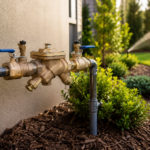
A properly selected and maintained backflow prevention assembly helps reduce this risk.
Why Backflow Testing Matters in Wendell, NC
Installing a backflow preventer is only part of the job. The device also needs to operate correctly.
Testing checks whether the assembly is performing as intended. A device can look perfectly normal from the outside while an internal component has become worn, damaged, or unable to hold the required pressure relationship.
That is why professional Wendell backflow testing should not be treated as just another plumbing formality.
It is a practical check on an important part of your water protection system.
North Carolina rules recognize testable backflow prevention assemblies and reference approved standards for these assemblies and their testing.
Who May Need Backflow Testing?
The exact requirements depend on the property’s water connections, degree of hazard, water supplier, and applicable local requirements. Property owners should not assume that every backflow device has the same testing obligation.
Backflow protection may be relevant to systems such as:
- Irrigation and sprinkler systems
- Fire protection systems
- Commercial plumbing systems
- Facilities with potential chemical connections
- Certain pools and related water connections
- Properties with other cross-connections or non-potable water sources
North Carolina’s rules distinguish between different hazard levels. For example, severe-hazard situations can include irrigation systems involving chemical injection, wastewater facilities, certain chemical-related connections, swimming pools, and other circumstances identified by the applicable cross-connection control authority.
If you are unsure whether your property requires testing, the safest approach is to confirm the requirement with your water supplier or applicable authority having jurisdiction.
How Backflow Testing Works
Professional testing is more than simply looking at the valve and checking a box.
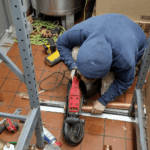
A typical service begins with an inspection of the backflow prevention assembly. The tester looks for visible damage, corrosion, leakage, installation concerns, or other conditions that could affect the test.
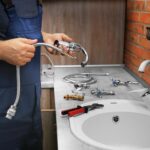
The assembly is then tested with appropriate field-testing equipment. The exact procedure depends on the type of backflow preventer being tested.
North Carolina’s plumbing code references recognized testing standards for devices such as reduced pressure assemblies, double-check valve assemblies, and pressure vacuum breaker assemblies.
After testing, the results are documented. If the assembly does not pass, the next step may involve repair, replacement, and retesting.
That process matters because a failed test should not simply disappear into a filing cabinet.
What Happens If a Backflow Preventer Fails?
A failed test does not automatically mean you need an entirely new plumbing system.
The cause may be a worn internal component, debris, leakage, or another problem affecting the assembly. A qualified professional can evaluate the device and determine whether repair or replacement makes sense.
Arbor Plumbing’s published Wendell service process includes inspection, testing, documentation, repair recommendations, and retesting after repairs when needed.
The goal is straightforward: identify the problem, correct it appropriately, and verify that the device works afterward.
Why Choose Professional Backflow Testing in Wendell?
Backflow assemblies are safety devices, and testing requires more than general plumbing knowledge.
North Carolina maintains certification pathways covering cross-connection and backflow responsibilities through the state’s drinking water operator certification program. The NC Department of Environmental Quality also lists Cross Connection and Backflow among its certification areas.
When choosing a service provider, property owners should look for appropriate qualifications, experience with the type of assembly installed at the property, accurate testing procedures, and proper documentation.
A low-cost test that does not properly address the actual device or reporting requirements can create more headaches later.
In other words, this is one plumbing task where “close enough” is not a particularly useful measurement.
Arbor Plumbing for Backflow Testing Wendell NC
Arbor Plumbing & NC Backflow lists Wendell among its service areas and provides backflow testing solutions for the community. The company states that its backflow services include testing, inspection, repairs, installation, and reporting for residential and commercial properties.
Its published service process is designed to take the property owner through the important stages:
- Inspection – Check the assembly and its visible condition.
- Testing – Test the device using appropriate equipment.
- Documentation – Record the test results and required information.
- Repair recommendations – Explain problems found during testing.
- Retesting – Verify the assembly after qualifying repairs.
This approach gives property owners a clearer picture of what is happening instead of simply receiving a pass-or-fail answer with no explanation.
Residential and Commercial Backflow Testing
Backflow concerns are not limited to large commercial buildings.
A residential property may have an irrigation system or another connection that requires backflow protection. Commercial properties can have more complicated plumbing arrangements and may involve irrigation, fire protection, commercial kitchens, medical facilities, or other systems.
The correct protection depends on the actual connection and hazard involved.
For commercial property owners and facility managers, keeping testing records organized can also make compliance tasks easier. Arbor Plumbing states that it provides backflow testing services for both residential and commercial properties.
How Often Should Backflow Devices Be Tested?
There is no single frequency that should be blindly applied to every property.
Testing requirements can depend on the applicable water supplier, local cross-connection control program, device, and hazard classification. Some programs require annual testing, while specific requirements should be confirmed with the authority responsible for the property’s water system.
Arbor Plumbing’s Wendell service page describes annual testing as typical for systems subject to that requirement.
If you have received a testing notice, check the notice carefully for the deadline and reporting instructions. If you have not received one but believe your property has a testable backflow assembly, contacting the relevant water provider is a sensible first step.
What Property Owners Should Do Before a Test
A little preparation can make the appointment easier.
First, make sure the tester can access the backflow assembly. If it sits behind a locked gate, inside a secured area, or beneath landscaping, access can slow down the process.
It also helps to have previous test paperwork available if you have it. Older records may help identify the device, previous test results, or past repairs.
Most importantly, do not ignore a testing notice simply because the plumbing appears to be working normally.
Backflow protection is about preventing a water-quality problem, not waiting for your faucet to announce that something has gone wrong.
Protect Your Water With Professional Wendell Backflow Testing
Backflow prevention plays an important role in protecting potable water from unwanted reverse flow. Testing provides a practical way to verify that a testable assembly is operating correctly and helps property owners address problems before they become bigger concerns.
If you need Backflow Testing Wendell NC, Arbor Plumbing & NC Backflow offers professional testing and related backflow services in Wendell. The company also serves residential and commercial properties throughout its listed North Carolina service areas.
For service information or scheduling, visit Arbor Plumbing & NC Backflow.
Frequently Asked Questions
Is backflow testing the same as a plumbing inspection?
No. Backflow testing specifically evaluates a backflow prevention assembly and its ability to protect against reverse flow. A general plumbing inspection can cover a much broader range of plumbing components.
Does every property in Wendell need backflow testing?
Not necessarily. Requirements depend on the property’s plumbing connections, hazard level, device, water supplier, and applicable rules. Confirm the requirement with the appropriate water authority.
What happens if my backflow device fails?
A qualified professional can determine why the assembly failed. Depending on its condition, repair or replacement may be appropriate. After a repair, retesting may be needed to verify proper operation.
Can Arbor Plumbing test and repair backflow devices?
Arbor Plumbing states that its backflow services include testing, repairs, replacement, installation, and documentation.
Why is backflow prevention important?
Backflow can allow water from a contaminated or non-potable source to move into a potable water supply. North Carolina’s public water supply rules require appropriate protection for applicable cross-connections.