#1 Plumbing In Triangle Area
Backflow Testing Company Morrisville
Backflow Prevention in Morrisville, NC: Protecting Every Drop of Water


 4.9


Morrisville Backflow Testing
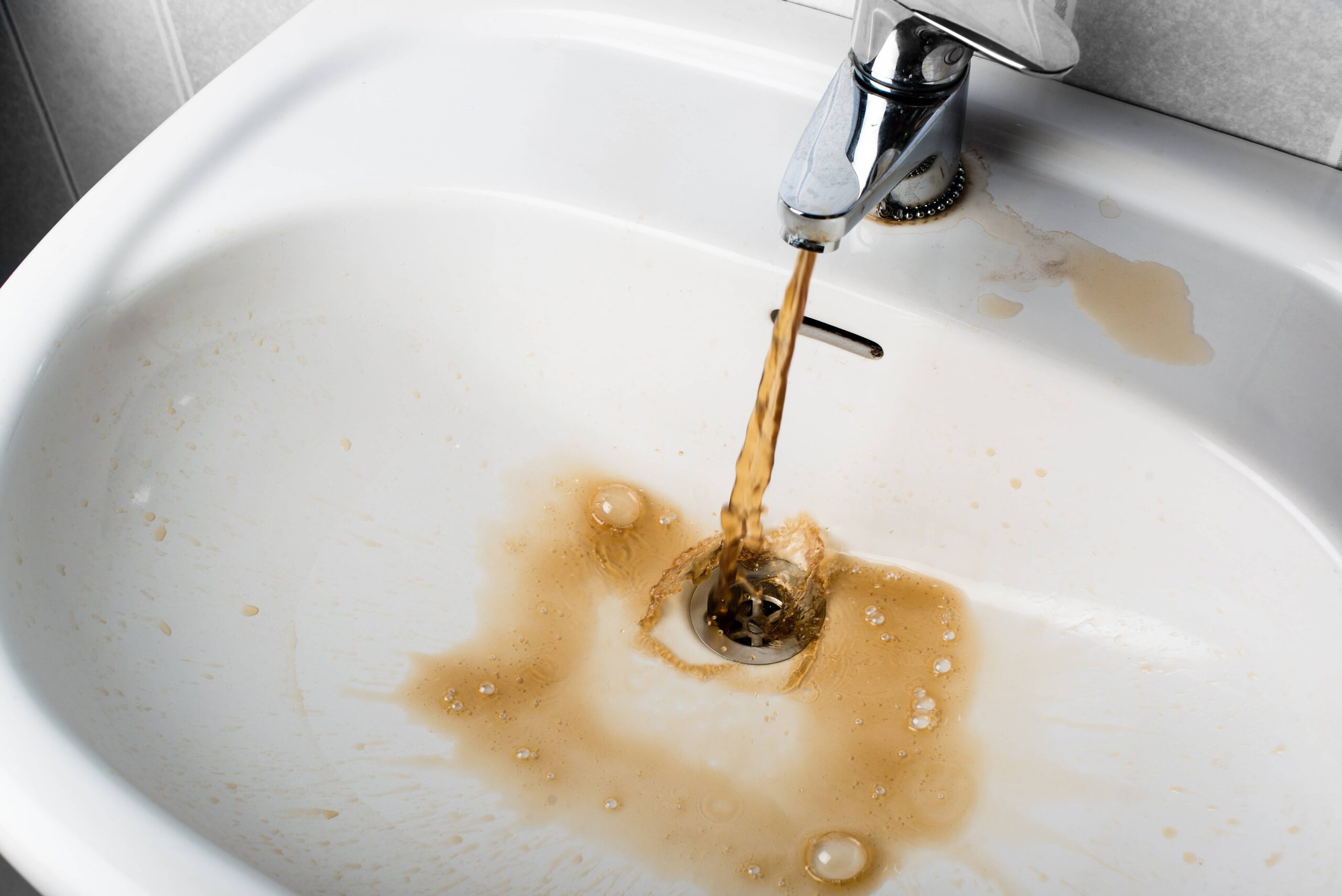
Clean water is essential for every home, business, and commercial property. While municipal water systems are designed to deliver safe potable water, problems can occur when water from another source flows backward into the clean water supply. This reverse flow is known as backflow, and it can create a serious cross-connection concern when contaminated or non-potable water enters a potable plumbing system.
Professional Morrisville Backflow Testing helps property owners determine whether their backflow prevention equipment is working properly. Regular testing can identify mechanical problems, confirm that protective devices are performing as intended, and help property owners stay on top of applicable testing requirements.
Arbor Plumbing & NC Backflow provides professional plumbing and backflow services for residential and commercial properties in Morrisville and surrounding areas. Our goal is to make backflow testing straightforward, accurate, and easy for property owners and facility managers to understand.


Understanding Backflow Prevention
Backflow occurs when the normal direction of water flow reverses. Under normal conditions, water moves from the supply toward fixtures, equipment, irrigation systems, and other points of use. A change in pressure can cause that flow to reverse.
There are two primary conditions associated with backflow: backsiphonage and backpressure.
Backsiphonage can occur when the pressure in the water supply drops significantly. This can create a suction effect that draws water from connected systems back toward the potable supply.
Backpressure occurs when pressure within a connected system becomes higher than the pressure of the potable water supply. The higher-pressure water can potentially move backward through a cross-connection.
Backflow prevention assemblies are designed to reduce these risks. However, like other mechanical plumbing components, they require proper maintenance and testing.
Why Backflow Testing Matters
Installing a backflow prevention device is only one part of protecting a water system. The assembly needs to continue functioning correctly after installation.
Internal components can wear over time. Valves may not seal correctly, springs or other mechanical parts can deteriorate, and debris can affect operation. A device that appears fine from the outside may still have an internal performance issue.
Testing provides a way to evaluate the actual operation of the assembly.
For property owners, routine testing can help:
- Identify problems with backflow prevention equipment
- Confirm whether an assembly is functioning properly
- Detect mechanical issues before they become larger concerns
- Maintain appropriate testing documentation
- Support ongoing plumbing-system maintenance
- Address failed tests with professional recommendations
For commercial properties, keeping testing information organized can also help facility managers track maintenance responsibilities and upcoming testing dates.
Properties That May Need Backflow Testing
Backflow concerns can exist in both residential and commercial plumbing systems. The specific requirements depend on the property’s plumbing configuration, connected equipment, and applicable regulations.
Residential Properties
Homes with irrigation systems or other specialized plumbing connections may have a potential cross-connection that requires backflow protection.
Outdoor irrigation systems are a common example. Water in irrigation lines may come into contact with soil, fertilizers, chemicals, or other substances. Proper backflow protection helps reduce the possibility of that water returning to the potable supply.
Commercial Properties
Businesses can have more complicated water systems than residential properties. Multiple fixtures, process equipment, irrigation systems, boilers, pools, and other connections may create different backflow risks.
Restaurants, offices, apartment properties, medical facilities, landscaping operations, and other commercial locations may benefit from professional backflow testing based on their individual plumbing systems.
Specialized Plumbing Systems
Certain equipment can require additional protection because of the nature of the water connection. Fire protection systems, commercial irrigation, boilers, pools, and process-related equipment are examples where backflow prevention may be important.
The correct testing approach depends on the type of assembly and how it is connected to the water system.
What Happens During Backflow Testing?
A professional test is more than simply looking at the outside of the device. The tester evaluates the assembly using appropriate testing equipment and procedures.
A typical appointment may involve:
- Identifying the assembly – The technician determines the type of backflow prevention device and reviews its application.
- Visual inspection – The assembly and surrounding plumbing are checked for visible damage, leakage, corrosion, or other concerns.
- Operational testing – Appropriate testing equipment is used to evaluate the assembly’s performance.
- Recording results – Test information is documented according to the applicable requirements.
- Explaining the findings – If the assembly passes, the property owner receives confirmation. If it does not, the technician can explain what may need attention.
This process gives property owners a better understanding of the condition of their backflow protection rather than leaving them to guess whether the equipment is functioning correctly.
Signs Your Backflow Device Needs Attention
Backflow prevention equipment should be monitored even when there are no obvious plumbing problems. However, certain signs may indicate that professional service is needed.
Look for:
- Water leaking around the assembly
- Corrosion or visibly damaged components
- Unusual discharge from the device
- A previous failed test
- An overdue testing requirement
- Changes to the property’s plumbing configuration
- Installation of a new irrigation or specialized water system
- Unusual pressure-related plumbing problems
A visible issue does not necessarily mean the entire assembly must be replaced. Some problems can be addressed through repair or component replacement, depending on the equipment and its condition.
A professional evaluation can help determine the appropriate solution.
Morrisville Backflow Testing for Commercial Properties
Commercial property owners have additional reasons to keep backflow testing on their maintenance schedule. A business may depend on multiple water connections, and a plumbing problem can affect employees, customers, tenants, or normal operations.
Regular Morrisville Backflow Testing gives facility managers an opportunity to verify the condition of backflow prevention equipment and keep service records organized.
For businesses with multiple assemblies, a consistent maintenance schedule can make it easier to identify which devices have been tested, which may require service, and when future testing is expected.
Backflow testing can also be incorporated into a broader plumbing maintenance program. Addressing backflow protection alongside other plumbing inspections may help property owners identify leaks, damaged valves, aging equipment, and other potential concerns earlier.
What Happens If a Backflow Test Fails?
A failed test means the backflow prevention assembly did not meet the required performance criteria during the testing process.
It does not automatically mean that the entire device needs to be replaced.
The next step is to determine the reason for the failure. Depending on the assembly and the problem, the device may require cleaning, adjustment, repair, or replacement of specific components.
After corrective work is completed, another test may be necessary to verify that the assembly is operating correctly.
Property owners should keep documentation of the test results and any repairs performed. This can be particularly useful for commercial properties and facility managers responsible for maintaining plumbing records.
Why Choose Arbor Plumbing & NC Backflow?
Backflow testing requires attention to detail because the purpose of the equipment is to protect the potable water supply from unwanted reverse flow.
Arbor Plumbing & NC Backflow combines plumbing experience with a focus on backflow services. We work with residential and commercial property owners and provide clear information about testing results and recommended next steps.
Our approach focuses on:
- Professional backflow testing
- Residential and commercial service
- Careful inspection of backflow assemblies
- Clear explanations of test results
- Practical recommendations when problems are identified
- Reliable plumbing and backflow support
Instead of making the process unnecessarily complicated, we aim to give property owners useful information they can act on.
How to Prepare for a Backflow Testing Appointment
Before scheduling a test, property owners can make the process easier by identifying the location of their backflow prevention assembly and making sure the area around it is accessible.
If you manage a commercial property, it can also help to have previous testing records available. Information about the connected system or previous repairs may provide useful context for the technician.
If the property has recently undergone plumbing modifications, irrigation installation, or equipment changes, mention those changes during the appointment. Changes to a plumbing system can affect backflow protection requirements.
Schedule Professional Backflow Testing in Morrisville
Backflow prevention plays an important role in maintaining the integrity of a potable water system. Regular testing can help identify equipment problems, provide useful maintenance records, and give property owners greater confidence that their backflow protection is working properly.
Whether you are a homeowner, business owner, property manager, or facility operator, professional testing can help you stay ahead of potential backflow-related problems.
If you need dependable Morrisville Backflow Testing, Arbor Plumbing & NC Backflow is ready to help. Contact our team to discuss your property, understand your testing needs, and schedule professional backflow testing.

Frequently Asked Questions
What is backflow testing?
Backflow testing is the process of evaluating a backflow prevention assembly to determine whether it is operating according to the required performance criteria.
Backflow testing is the process of evaluating a backflow prevention assembly to determine whether it is operating according to the required performance criteria.
Not necessarily. Testing requirements depend on the property’s plumbing system, cross-connections, backflow prevention equipment, and applicable requirements. A professional can help determine what applies to a specific installation.
How often does a backflow device need to be tested?
The required testing frequency can vary depending on the type of assembly, its application, and applicable local requirements. Property owners should follow the schedule applicable to their specific system.
What if my backflow assembly fails?
A failed test indicates that the assembly did not meet the required testing criteria. The device should be evaluated to determine whether it can be repaired or whether replacement is appropriate. A follow-up test may be required after corrective work.
Can backflow prevention devices be repaired?
Some assemblies can be repaired or have individual components replaced. The appropriate solution depends on the type, condition, age, and design of the device.
Is backflow testing only for businesses?
No. Backflow protection can also be relevant to residential properties, particularly homes with irrigation systems or other plumbing connections that can create a potential cross-connection.