Clean water doesn’t just arrive at your tap by accident. It travels through a carefully maintained municipal system under pressure, passes through your home’s supply lines, and reaches your faucets, showers, and appliances. That pressurized flow is what keeps contaminants out — as long as the pressure holds. When it doesn’t, or when something creates a pressure reversal in your lines, water can flow backward through your system and pull whatever is sitting in your irrigation lines, hose connections, or appliances back into your potable water supply.
It sounds alarming because it is. But it’s also preventable, and the device responsible for preventing it — the water backflow preventer — is one of the most underappreciated components in residential and commercial plumbing. This article explains how it works, why it needs regular attention, and how it connects to the broader conversation about finding reliable plumbing service across the Triangle.
What a Water Backflow Preventer Actually Does
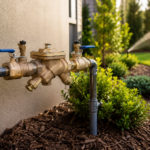
The fundamental job of a water backflow preventer is straightforward: it allows water to flow in one direction only. Water enters your home’s plumbing system from the municipal supply, and the backflow preventer is a mechanical barrier that ensures none of that water — along with anything it may have picked up downstream — can reverse course and reenter the public water supply or your home’s potable lines.
Backflow events happen for two primary reasons. The first is back-pressure, which occurs when pressure on the downstream side of a system exceeds pressure on the supply side — this can happen with pressurized boilers, heating systems, or certain commercial equipment. The second, and more common in residential settings, is back-siphonage, which happens when a sudden drop in supply pressure creates a vacuum effect that pulls water backward. A water main break, a large fire suppression event nearby, or significant municipal demand fluctuation can all create the conditions for back-siphonage in homes connected to the affected supply zone.
Where Backflow Preventers Are Installed
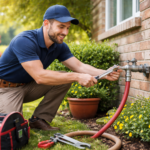
In a typical residential property, backflow devices are installed at several potential cross-connection points — anywhere the potable water supply connects to a system that could introduce contaminants. The most common locations include the main service entry to the home, outdoor hose bibs, irrigation and sprinkler systems, pool and spa fill connections, and any appliance or fixture that maintains a water reservoir with a submerged inlet.
For irrigation systems specifically, a dedicated backflow preventer is required by code in most North Carolina municipalities. This is because irrigation lines run through soil that contains fertilizers, pesticides, herbicides, and biological material — all of which would be genuinely hazardous if drawn back into a home’s drinking water supply. The device keeps that separation absolute, but only if it’s installed correctly and maintained properly over time.
Why Backflow Preventer Inspection Is Not Optional
A backflow preventer is a mechanical device with internal components — springs, seals, check valves, and relief ports — that degrade over time. Heat cycles, mineral deposits from hard water, and the simple accumulation of operating hours all take a toll. A device that was functioning perfectly when it was installed may develop seal wear or spring fatigue years later that compromises its ability to hold against reverse flow.
This is precisely why annual backflow preventer inspection is required by most municipal water authorities in North Carolina, including Raleigh, Cary, Durham, and Chapel Hill. These inspections aren’t bureaucratic formalities — they’re the mechanism by which property owners verify that their backflow prevention is actually working, not just present. A device that fails a test needs to be repaired or replaced before it can be returned to service, and the water authority will follow up to confirm compliance.
What Happens During a Backflow Inspection
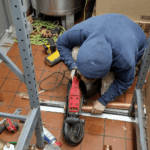
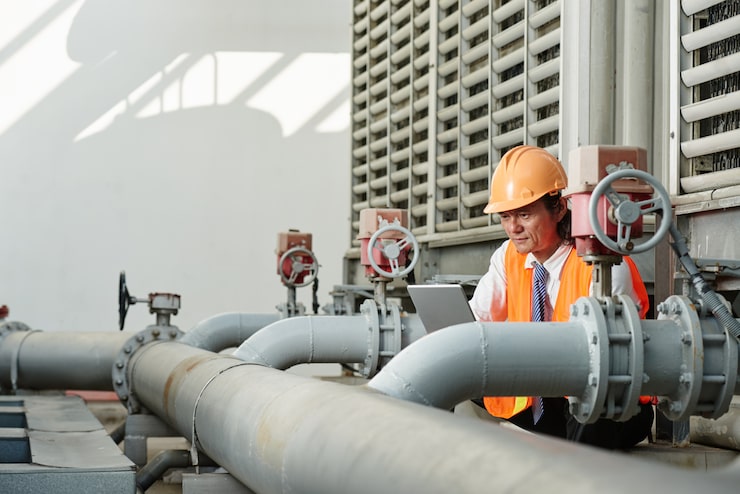
A certified backflow tester performs the inspection using calibrated differential pressure gauges that measure how the device performs under test conditions designed to simulate a backflow event. The test evaluates each check valve within the assembly, verifies that the relief valve opens at the correct differential pressure, and confirms that the device holds against reverse flow at the required threshold.
The entire process typically takes thirty to forty-five minutes for a standard residential device. Results are documented on a test report that gets submitted to the water authority, creating a compliance record for the property. If the device passes, you’re covered for another year. If it fails, the tester will explain what component is out of tolerance and what the repair or replacement options are. Arbor Plumbing’s technicians are certified backflow testers who handle both the testing and any follow-up repair or replacement work — which means property owners don’t have to coordinate between a tester and a separate plumber when a device needs attention.
Backflow and the Broader Picture of Residential Plumbing Service
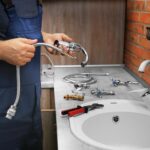
Backflow prevention sits within a larger category of proactive plumbing maintenance that smart homeowners treat as an annual priority rather than a reactive emergency. The same mindset that leads a homeowner to schedule annual backflow testing tends to carry over into other areas of residential plumbing service — water heater inspection and anode rod replacement, supply line assessment in aging homes, drain health checks, and sewer camera inspections for properties where root intrusion or pipe degradation is a realistic concern.
This approach — maintaining rather than waiting for failure — consistently produces better outcomes and lower long-term costs. A water heater that’s inspected annually gets its anode rod replaced before tank corrosion sets in, extending service life by years. A sewer lateral that’s inspected every few years catches root intrusion before it causes a full backup. A backflow preventer that’s tested annually fails in a controlled test rather than during an actual backflow event.
What to Look for in a Residential Plumbing Partner
For homeowners who want this kind of proactive relationship with a plumbing company, the selection criteria go beyond who can get here fastest in an emergency. A good residential plumbing partner communicates proactively about what they found during a service visit, makes recommendations clearly without pressure, and builds familiarity with the specific home over time. They know the age of your water heater, the condition of your drain stack, and when your backflow device was last tested — because they’ve been tracking it.
Arbor Plumbing’s maintenance plan is built around exactly this model. Members receive priority scheduling, regular check-ins on key systems, and the kind of ongoing familiarity with their home’s plumbing that turns reactive crises into manageable planned maintenance.
Finding Affordable, Trustworthy Plumbers in Raleigh
Raleigh’s plumbing market is active and competitive, which is good news for homeowners — but it also means the range of quality is wide. The search for best affordable plumbers Raleigh residents actually recommend involves balancing cost against a set of quality signals that aren’t always obvious from a search result or a price quote.
Affordable doesn’t mean cheapest. A plumber who quotes $50 less than a competitor but misdiagnoses the problem, uses substandard parts, or doesn’t pull the required permit for a water heater replacement isn’t actually saving you money — they’re deferring a larger cost to a later date. Truly affordable plumbing service is work done correctly the first time, priced honestly, and backed by accountability if something isn’t right.
The markers worth looking for when evaluating top rated plumbing services Raleigh homeowners consistently recommend are consistent across the reviews that carry real weight: technicians who explain what they found before quoting a repair, companies that provide written estimates before work begins, and service that earns callbacks for future needs rather than one-time emergency responses. Volume of reviews matters, but so does the pattern within them. A company with two hundred reviews that consistently mention honesty, punctuality, and clean workmanship is telling you something reliable about how they operate.
What Raleigh Homeowners Value Most in a Plumber
In conversations and reviews across Raleigh neighborhoods, the feedback that shows up most reliably when residents describe top rated Raleigh plumbers isn’t about price — it’s about trust. Did the technician respect the home? Did they explain what they were doing and why? Did they show up when they said they would and call ahead when they were running behind? Did they stand behind the work when a follow-up question came up a week later?
These are the qualities Arbor Plumbing has built their reputation around in the Triangle. Licensed technicians, upfront pricing, clear communication, and accountability after the job is done. It’s not a complicated formula, but it’s one that a surprising number of plumbing companies manage to get wrong consistently.
Drain Cleaning in Raleigh: The Service That Keeps Everything Flowing
Among the most frequent routine service calls in Raleigh, drain cleaning Raleigh homeowners schedule — both as a response to a slow or blocked drain and as a preventive measure — sits near the top of the list. Raleigh’s older neighborhoods have drain systems that have accumulated decades of soap residue, hair, grease, and mineral scale. Even newer homes develop partial blockages from normal use faster than most homeowners expect.
The distinction between a professional drain cleaning and a bottle of store-bought drain cleaner is more significant than it might appear. Chemical drain cleaners dissolve organic material temporarily but don’t remove the buildup from pipe walls — and for older pipes, the caustic chemistry can accelerate corrosion that was already underway. A professional hydro-jet cleaning or mechanical snake clears the obstruction at the source, restores full flow, and doesn’t leave a residue that damages the pipe itself.
For homes with recurring drain issues — the same kitchen sink backing up every few months, a bathroom drain that slows within weeks of being cleared — the recurring symptom usually points to something upstream that a single drain clearing won’t resolve. A sewer camera inspection can identify whether root intrusion, pipe sag, or a partial obstruction further down the lateral is driving the pattern. Catching it at that stage, when it’s a planned inspection rather than an emergency backup, is substantially less disruptive and less expensive than waiting for a full failure.
Chapel Hill Residents: The Same Quality, Closer to Home
Everything covered in this article — backflow testing, residential maintenance, affordable and trustworthy plumbing service, drain health — applies equally to Chapel Hill, where the housing stock ranges from older university-adjacent neighborhoods to newer developments further out on the edges of town. For a plumber Chapel Hill NC residents can trust with both annual backflow compliance and the full range of residential plumbing needs, the same criteria apply: licensing, local knowledge, upfront pricing, and a reputation built through consistent work rather than advertising spend.
Arbor Plumbing serves Chapel Hill as part of their Triangle-wide service area, bringing the same licensed technicians, certified backflow testing capability, and transparent service approach to Chapel Hill homes as they do across Raleigh, Durham, Cary, Apex, and Garner. One call handles annual backflow testing, routine maintenance, emergency response, and everything in between — which is what a plumbing relationship should actually look like.