Clean and safe water is essential for every home and business. However, plumbing systems can sometimes experience pressure changes that cause contaminated water to flow backward into the main water supply. This issue is known as backflow and can pose serious health risks if not properly prevented. Installing a water line backflow preventer is one of the most effective ways to safeguard your water supply and maintain a safe plumbing system.
Professional plumbing companies, including the trusted team associated with the Arbor Plumbing brand, provide expert solutions for installing, maintaining, and inspecting backflow prevention systems. These services help protect both private plumbing systems and municipal water supplies from contamination.
What Is a Water Line Backflow Preventer?
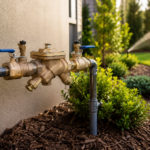
A water line backflow preventer is a specialized plumbing device designed to stop water from flowing in the reverse direction within a plumbing system. Under normal circumstances, water should only move in one direction—from the municipal supply into your home or business.
However, sudden pressure changes can cause water to reverse direction. When this happens, contaminated water from irrigation systems, chemicals, or wastewater lines may enter the clean water supply.
Backflow preventers act as safety valves that automatically close when reverse flow occurs, preventing contaminated water from entering potable water systems.
Understanding Plumbing Backflow
To understand the importance of backflow prevention, it’s helpful to know how plumbing backflow occurs.
Backflow typically happens when there is a sudden drop or change in water pressure. This can be caused by several situations, including:
- Water main breaks
- Fire hydrant use during emergencies
- High water demand in nearby buildings
- Pump failures within plumbing systems
When these events occur, water pressure may drop below normal levels. This pressure imbalance can cause contaminated water to be pulled into clean water lines.
Without a properly installed water line backflow preventer, harmful substances may enter the water supply.
Common Sources of Plumbing Backflow Contamination
Backflow contamination can come from a variety of sources within residential and commercial plumbing systems.
Irrigation Systems
Sprinkler systems are one of the most common sources of plumbing backflow contamination. Fertilizers, pesticides, and other chemicals used in landscaping can enter the water supply if backflow occurs.
Swimming Pools and Hot Tubs
Pool water contains chemicals such as chlorine and cleaning agents. Without proper backflow protection, these substances could flow into the main water supply during pressure fluctuations.
Commercial Kitchens
Restaurants and food service facilities often use large amounts of water and chemicals for cleaning and food preparation. Backflow prevention is essential to ensure safe water supply in these environments.
Industrial Equipment
Industrial plumbing systems sometimes handle chemicals, cleaning agents, or other potentially hazardous materials. Proper backflow prevention is necessary to avoid contamination.
Types of Water Line Backflow Preventers
Several types of water line backflow preventer devices are used depending on the plumbing system and level of risk.
Double Check Valve Assembly
This device contains two check valves that prevent water from reversing direction. It is commonly used in residential irrigation systems and low-risk plumbing systems.
Reduced Pressure Zone Device (RPZ)
An RPZ is one of the most reliable backflow prevention devices available. It includes multiple valves and a relief valve to ensure contaminated water cannot flow backward.
These systems are commonly used in commercial buildings and high-risk environments.
Pressure Vacuum Breaker
This type of device is often installed in irrigation systems. It prevents contaminated water from siphoning back into the water supply during pressure changes.
Atmospheric Vacuum Breaker
This is a simpler backflow prevention device often used for smaller plumbing systems or individual fixtures.
Each water line backflow preventer is designed for specific plumbing applications, and professional installation ensures the correct device is used.
Why Backflow Prevention Is Essential
Backflow prevention plays a critical role in protecting public health and maintaining safe water systems.
Protecting Drinking Water
The primary purpose of a water line backflow preventer is to ensure that contaminated water cannot enter the potable water supply. This helps maintain safe drinking water for homes and businesses.
Compliance with Plumbing Regulations
Local plumbing codes often require the installation of backflow prevention systems in certain properties. These regulations help prevent widespread contamination of municipal water supplies.
Professional plumbing experts familiar with plumbing backflow regulations ensure that installations meet local requirements.
Preventing Costly Plumbing Damage
Backflow incidents can cause contamination that leads to expensive repairs and system cleaning. Installing the right backflow prevention system helps avoid these costly problems.
Installation of a Water Line Backflow Preventer
Installing a water line backflow preventer requires professional expertise and knowledge of plumbing regulations.
System Assessment
A plumber first evaluates the plumbing system to determine the appropriate backflow prevention device. Factors such as water pressure, system design, and contamination risk are considered.
Proper Placement
Backflow preventers must be installed in specific locations within the plumbing system to function effectively. Incorrect installation can reduce the device’s effectiveness.
Professional Installation
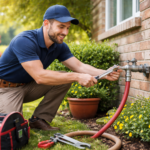
Experienced technicians ensure that the backflow preventer is installed securely and meets safety regulations. Proper installation guarantees reliable protection against plumbing backflow.
Maintenance and Inspection
Like any plumbing component, backflow prevention devices require regular maintenance to ensure they function correctly.
Annual Testing
Many municipalities require annual testing of backflow prevention devices. This ensures that the device is working properly and continues to protect the water supply.
Routine Inspections
Professional plumbers inspect backflow prevention devices for wear, leaks, and pressure issues. Early detection of problems prevents system failures.
Repair or Replacement
If a backflow prevention device fails inspection, repairs or replacement may be necessary. Regular maintenance extends the lifespan of the water line backflow preventer.
Signs Your Plumbing System May Have Backflow Issues
Certain warning signs may indicate potential plumbing backflow problems:
- Unusual taste or odor in tap water
- Discolored water coming from faucets
- Sudden drop in water pressure
- Visible debris in water supply
If any of these issues occur, it’s important to contact a professional plumber immediately to inspect the system.
Preventing Backflow Problems
Homeowners and business owners can take several steps to reduce the risk of backflow.
Install Proper Backflow Prevention Devices
The most effective way to prevent contamination is installing the correct water line backflow preventer for your plumbing system.
Schedule Regular Plumbing Inspections
Routine plumbing inspections help identify issues before they escalate into serious problems.
Maintain Irrigation Systems
Irrigation systems should be regularly checked to ensure they are properly connected and equipped with backflow protection.
Work with Professional Plumbers
Professional plumbers have the expertise to handle backflow prevention systems safely and effectively.
Experts associated with the Arbor Plumbing brand provide comprehensive solutions for backflow prevention, plumbing maintenance, and system inspections.
Why Professional Backflow Services Matter
Backflow prevention systems require accurate installation, proper testing, and regular maintenance. Working with experienced professionals ensures that the plumbing system remains safe and compliant.
Professional plumbers understand the complexities of plumbing backflow and can recommend the most effective prevention strategies for each property.
Their expertise helps ensure that backflow prevention devices function properly and continue protecting the water supply.
Conclusion
Maintaining a safe and reliable water supply is essential for every property. A properly installed water line backflow preventer plays a crucial role in protecting plumbing systems from contamination caused by pressure changes and reverse water flow.
Understanding the risks of plumbing backflow and investing in professional backflow prevention services helps ensure long-term water safety and compliance with plumbing regulations.
With the expertise of professionals associated with the Arbor Plumbing brand, homeowners and businesses can rely on high-quality backflow prevention solutions that protect both their plumbing systems and the public water supply. Regular inspections, proper installation, and preventive maintenance are the keys to maintaining safe and efficient plumbing infrastructure.